
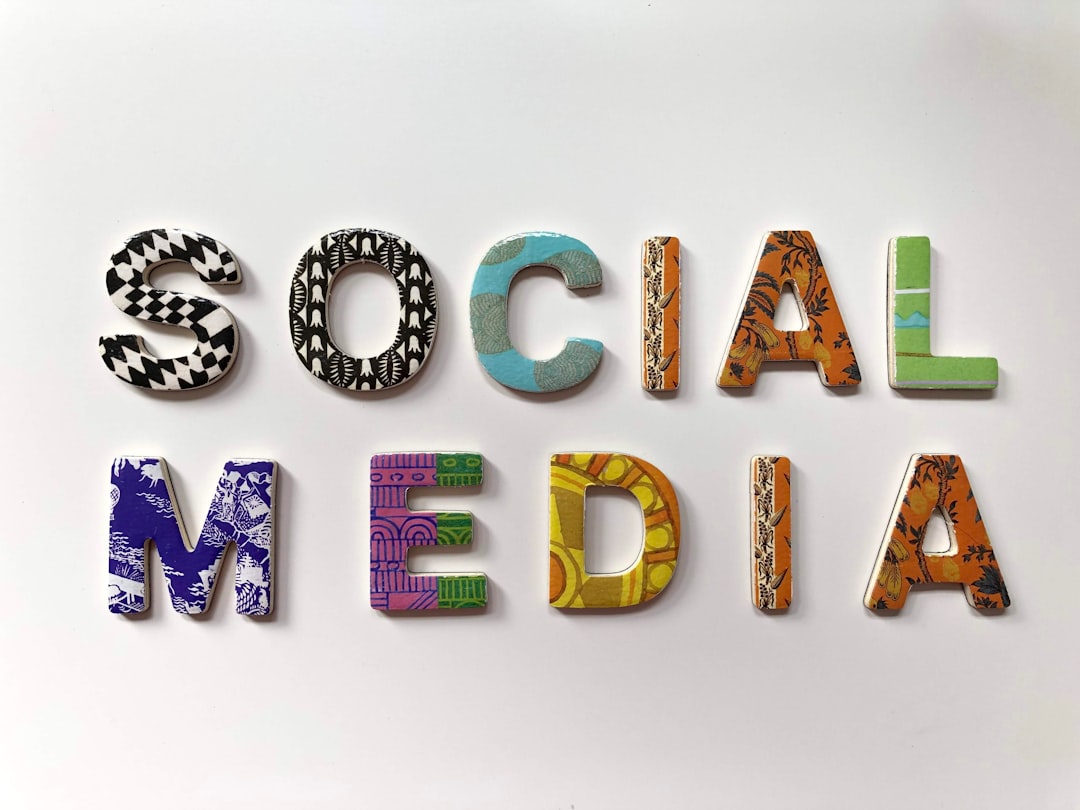
Social media marketing in 2026 looks nothing like it did three years ago. Algorithm changes, new features, and shifting user behavior mean the strategies that worked yesterday may be hurting you today. Here is what is actually working on each major platform right now.
LinkedIn: The B2B Powerhouse
LinkedIn has evolved from a resume site to the most important B2B marketing platform. Organic reach still outperforms every other social network for business content.
What Works on LinkedIn in 2026
- Personal brand content from company leaders outperforms corporate page posts by 5-10x
- Long-form text posts (1,000-1,500 characters) with a strong opening hook
- Document carousels that share frameworks, processes, and data
- Video content under 90 seconds with captions
- Commenting strategy: Meaningful comments on industry posts drive more visibility than your own posts
LinkedIn Algorithm Priorities
The algorithm now heavily rewards “dwell time” and meaningful engagement. Posts that spark conversations and keep users reading outperform posts that simply collect likes.
Instagram: Visual Storytelling Evolved
Instagram has doubled down on Reels and shopping features while deprioritizing traditional photo posts.
What Works on Instagram in 2026
- Reels remain the highest-reach format, but quality matters more than frequency
- Carousel posts for educational content still perform well for engagement
- Stories for daily engagement and driving link clicks
- Collaborative posts with complementary brands or creators
- Instagram Search SEO: Optimizing captions and alt text for discoverability
TikTok: Beyond Trends and Dances
TikTok has matured into a serious marketing channel for both B2C and B2B brands. The platform now rivals Google as a search engine for younger demographics. For more on this topic, read our guide on SEO-optimized content drives organic discovery.
What Works on TikTok in 2026
- Educational content performs better than entertainment for business accounts
- TikTok SEO: Users search on TikTok like Google, so optimize titles, captions, and hashtags
- Longer content: 2-5 minute videos now get strong distribution
- Series and playlists that keep viewers returning
- Creator partnerships over traditional influencer marketing
X (Twitter): Niche Conversations
X has become more polarized, but it remains valuable for specific niches: tech, finance, media, politics, and real-time events.
What Works on X in 2026
- Threads sharing expertise, analysis, or behind-the-scenes insights
- Engaging in conversations rather than just broadcasting
- Timely, opinion-driven content tied to industry news
- Spaces for live audio discussions with your audience
YouTube: The Long Game
YouTube remains the second-largest search engine and the best platform for long-form video content. The ROI timeline is longer, but the compounding returns are unmatched.
What Works on YouTube in 2026
- Searchable, evergreen content that answers specific questions
- YouTube Shorts for discovery, then funnel viewers to long-form content
- Consistent publishing schedule (quality over quantity)
- Community tab for ongoing engagement between video uploads
- Chapters and timestamps for improved user experience and SEO
Cross-Platform Strategy Tips
1. Repurpose, Do Not Duplicate
Adapt your core content for each platform rather than posting the same thing everywhere. A blog post becomes a LinkedIn carousel, a TikTok explainer, an Instagram Reel, and a YouTube video. For more on this topic, read our guide on content marketing strategy for repurposing.
2. Focus on Two to Three Platforms
Being excellent on two platforms beats being mediocre on six. Choose platforms where your audience actually spends time. For more on this topic, read our guide on marketing funnel stages.
3. Prioritize Owned Audiences
Use social media to build email lists and communities you control. Algorithm changes can destroy your social reach overnight, but your email list is forever. For more on this topic, read our guide on email lists that you fully control.
4. Track Platform-Specific KPIs
Each platform has different success metrics. Impressions matter on LinkedIn, saves matter on Instagram, watch time matters on YouTube. Align your goals with each platform’s strengths. For more on this topic, read our guide on marketing analytics to track platform KPIs.
Related Articles
- Email Marketing Automation: 9 Workflows That Drive Revenue on Autopilot
- Content Marketing ROI: How to Measure What Actually Matters
- Marketing Analytics: The 15 KPIs Every Marketer Should Track
Key Takeaways
- Each platform requires a unique content strategy tailored to its algorithm and audience behavior
- LinkedIn personal brands outperform company pages for B2B
- TikTok is now a serious search engine, not just an entertainment platform
- YouTube offers the best long-term compounding returns
- Focus on two to three platforms rather than spreading thin across all of them
- Always funnel social audiences to owned channels like email
