

Keyword research has evolved far beyond plugging terms into a tool and sorting by search volume. In 2026, with AI reshaping search behavior and Google understanding intent better than ever, your approach to keyword research needs an upgrade.
How AI Has Changed Keyword Research
Google’s AI now understands the meaning behind searches, not just the words. This means exact match keyword targeting is less important than covering topics comprehensively. Users search in more conversational, natural language patterns, and Google groups semantically related queries together.
The old approach of targeting one keyword per page is outdated. Modern keyword research is about identifying topics and the clusters of queries that surround them.
A Modern Keyword Research Framework
Step 1: Start with Topics, Not Keywords
Begin by identifying the core topics your audience cares about. What problems do they face? What questions do they ask? What decisions are they trying to make? These topic areas become the foundation of your content strategy.
Step 2: Build Topic Clusters
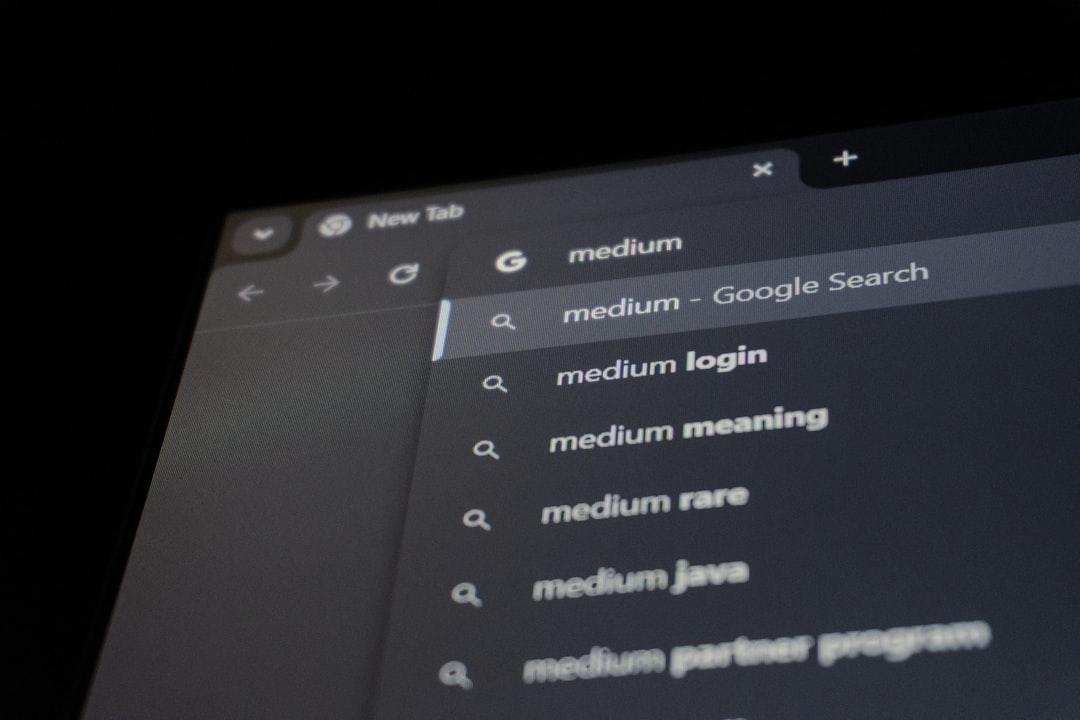
For each core topic, identify the subtopics and related questions. Use tools like Google’s People Also Ask, autocomplete suggestions, forums, Reddit, and AI tools to uncover the full scope of what people want to know about a subject.
Organize these into a pillar page for the main topic and supporting content for each subtopic. Internal linking between them signals to Google that you comprehensively cover the subject.
Step 3: Analyze Search Intent
Every keyword has an intent behind it: informational, navigational, commercial, or transactional. Look at what currently ranks for a keyword to understand what Google thinks the intent is. Then create content that matches that intent exactly.
A common mistake is creating a blog post for a keyword where Google shows product pages, or vice versa. Always check the SERP before creating content.
Step 4: Evaluate Difficulty Realistically
Keyword difficulty scores from tools are estimates, not guarantees. Look at who actually ranks for your target terms. If the top ten results are all from massive authority sites, a new or smaller site will struggle regardless of what a tool says.
Focus on keywords where sites similar to yours in authority already rank. These represent realistic opportunities.
Step 5: Prioritize by Business Value
Not all keywords are worth targeting. A keyword with 10,000 monthly searches but no commercial relevance to your business is less valuable than one with 200 searches that directly relates to what you sell. Prioritize keywords that attract people who could actually become customers.
Tools Worth Using in 2026
- Google Search Console for discovering keywords you already rank for
- Google’s People Also Ask and autocomplete for intent research
- Ahrefs or Semrush for volume estimates and competitive analysis
- AI assistants for brainstorming topic angles and content gaps
- Reddit and Quora for understanding real user questions and language
The Key Takeaway
Modern keyword research is less about finding high volume terms and more about understanding your audience deeply enough to create content that satisfies their needs at every stage of their journey. Think topics first, keywords second.